A Comprehensive Guide to the Most Anticipated Automotive Arrivals.
February 2026 will be an eventful month for the Indian automotive industry, with five big automobile releases across many classes and price points. This month caters to every type of automobile buyer, with options spanning luxury SUVs, budget-friendly family MPVs, advanced electric vehicles, and high-performance petrol cars. To assist you in making an informed purchase decision, this thorough guide offers a thorough examination of every car, including price, features, specs, and important advantages and disadvantages.
1. MG MAJESTOR
Launch Date: February 12, 2026
Overview
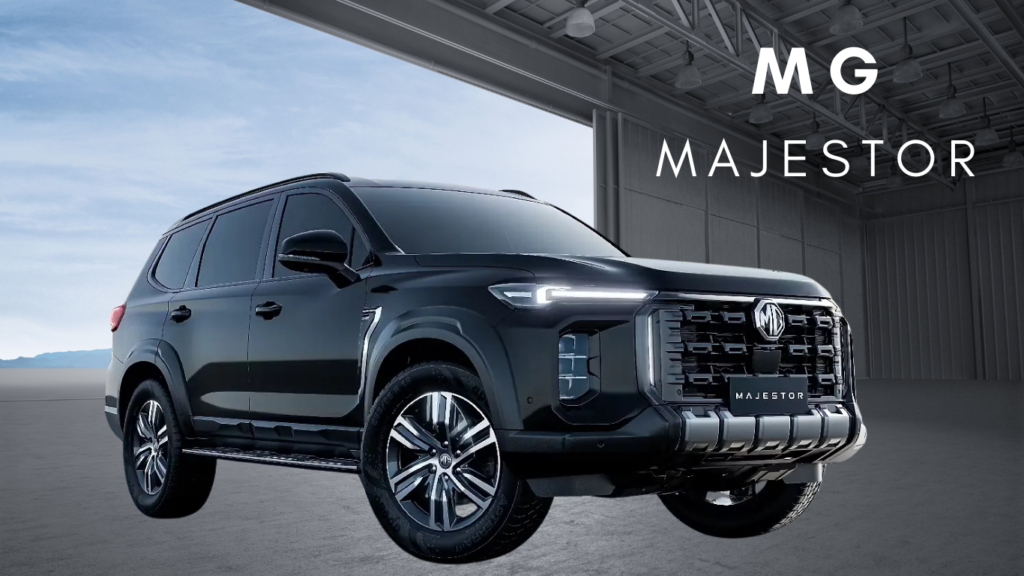
MG India announces the Majestor, their latest premium SUV that sits above the Gloster in the range. Based on the worldwide Maxus D90, the Majestor combines muscular styling, luxurious features, and body-on-frame construction to compete with established full-size SUVs.
Pricing
Expected Price Range: ₹39.57 lakh – ₹46.00 lakh (before taxes)
Design & Dimensions
• Muscular and commanding stance, providing strong road presence.
• Large gloss-black grille with horizontal slats and an oversized MG emblem.
• Vertically stacked LED headlamps with sleek eyebrow-style daytime running lights (DRLs).
• Rugged front bumper cladding featuring tasteful silver accents for a premium-sporty look.
• Dual-tone 19-inch diamond-cut alloy wheels that enhance upscale appeal.
• Connected LED tail lamps complemented by a blacked-out bumper and dual exhaust tips.
• Chrome-finished running boards and black roof rails for added style and practicality.
Interior & Features
The cabin is based on the Maxus D90 and has a high-end, tech-filled atmosphere:
Display & Infotainment:
• 12.3-inch floating touchscreen infotainment system
• 12.3-inch digital driver display
• 3-spoke steering wheel with column-mounted drive selector
Comfort Features:
• 7-seater configuration with flexible seating
• Panoramic sunroof
• Powered and ventilated front seats with heating
• Three-zone climate control
• JBL premium sound system
• Wireless phone charger
• Multi-color ambient lighting
Safety & Technology:
• Advanced Driver Assistance Systems (ADAS)
• Six airbags as standard • 360-degree camera
• Electronic Stability Program (ESP)
• Hill Hold Control (HAC) and Hill Descent Control (HDC)
• Tyre Pressure Monitoring System (TPMS)
• Front and rear parking sensors
Engine & Performance
Engine:
2.0-liter twin-turbocharged diesel engine (same as Gloster)
Power Output:
216 bhp at peak RPM
Torque:
479 Nm of peak torque
Transmission:
8-speed torque converter automatic gearbox
Drivetrain:
All-Wheel Drive (AWD) system with off-road capabilities
Target Buyers
The MG Majestor is aimed at consumers searching for a full-size SUV that provides dramatic style, a comprehensive feature list, and true off-road performance, all while beating rivals such as the Toyota Fortuner and Jeep Meridian on price.
2. BMW X3 30 xDrive M Sport Pro
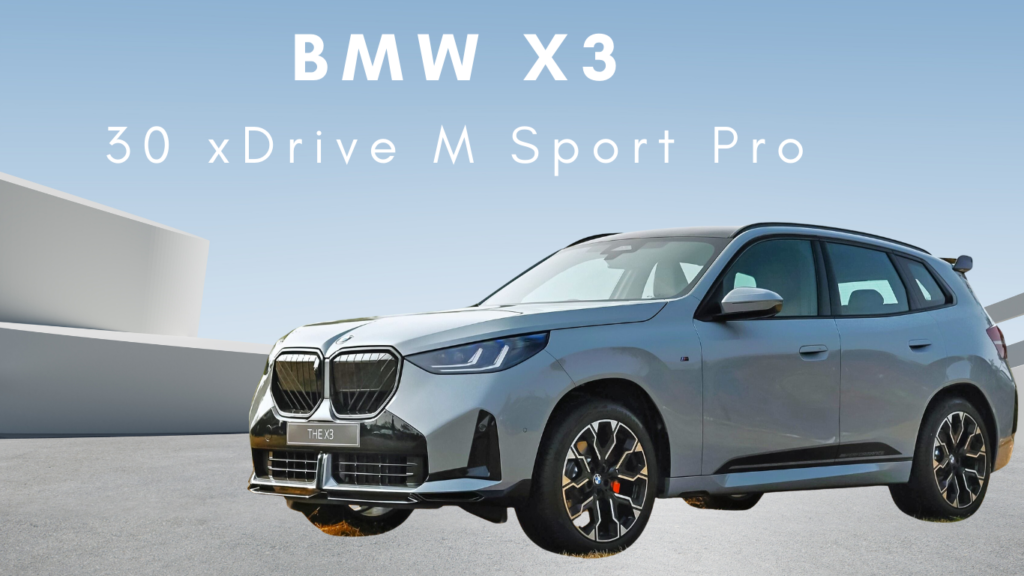
Launch Date: February 16, 2026
Overview
BMW India has released its most powerful X3 ever, the 30 xDrive M Sport Pro. This top-tier model combines improved performance with the M Sport Professional package, providing a harmonious blend of luxury, technology, and dynamic capabilities. Pre-bookings began on January 30, 2026, suggesting a strong market demand.
Pricing
Price range: ₹75 lakh to ₹87 lakh (ex-showroom). This reflects a premium of around ₹5-15 lakh above the existing X3 xDrive 20 models (priced at ₹72.10-73.2 lakh).
Design & Styling
The M Sport Professional package sharpens the X3’s look, offering a number of performance-focused stylistic cues:
• Illuminated BMW Iconic Glow kidney grille (exclusive to M Sport Pro)
• M Lights Shadowline with adaptive LED headlights
• High-gloss black exterior accents and trim
• 20-inch M light alloy wheels (vs 19-inch on standard variants)
• Red-finished M Sport brake calipers
• Exclusive Brooklyn Grey color option
• Dark LED tail lights with black diffuser
• Roof spoiler and flush door handles
Interior & Technology
BMW’s hallmark elegance and technology meet in a driver-focused cabin:
Displays & Interface:
• BMW Curved Display setup (dual integrated screens)
• 10.25-inch fully digital driver display
• Augmented Reality (AR)-based heads-up display
• iDrive controller in glass finish
Premium Comfort:
• 12-way powered front seats with memory function
• Heated, ventilated, and massaging front seats
• Soft-touch dashboard and door pads
• Panoramic sunroof
• 30-color ambient lighting
• Wireless phone charger
• Three-zone automatic climate control
Audio & Entertainment:
• 700W Harman Kardon premium sound system (11 speakers)
Safety Features:
• Level 2 ADAS (Advanced Driver Assistance Systems)
• Nine airbags
• 360-degree camera with parking sensors
• Electronic Stability Control
• Hill Hold Assist
• Adaptive cruise control
• Lane departure warning
• 5-star Euro NCAP safety rating
Engine & Performance
Engine:
2.0-liter four-cylinder turbocharged petrol engine with 48V mild-hybrid technology
Power Output:
258 bhp (68 bhp more than the xDrive 20)
Torque:
400 Nm (90 Nm more than the xDrive 20)
Additional Boost from Mild-Hybrid:
+11 bhp and +25 Nm during acceleration
Transmission:
8-speed Steptronic Sport automatic with paddle shifters
Drivetrain:
BMW xDrive intelligent all-wheel drive
Performance:
0-100 km/h: 6.3 seconds (1.5 seconds faster than xDrive 20)
Fuel Efficiency:
14.61 km/l (ARAI claimed)
Target Buyers
The BMW X3 30 xDrive M Sport Pro is designed for driving enthusiasts who appreciate performance, luxury-brand status, and cutting-edge technology, as well as those who desire the most powerful X3 on the market while maintaining BMW’s characteristic athletic character and practicality.
3. NISSAN GRAVITE
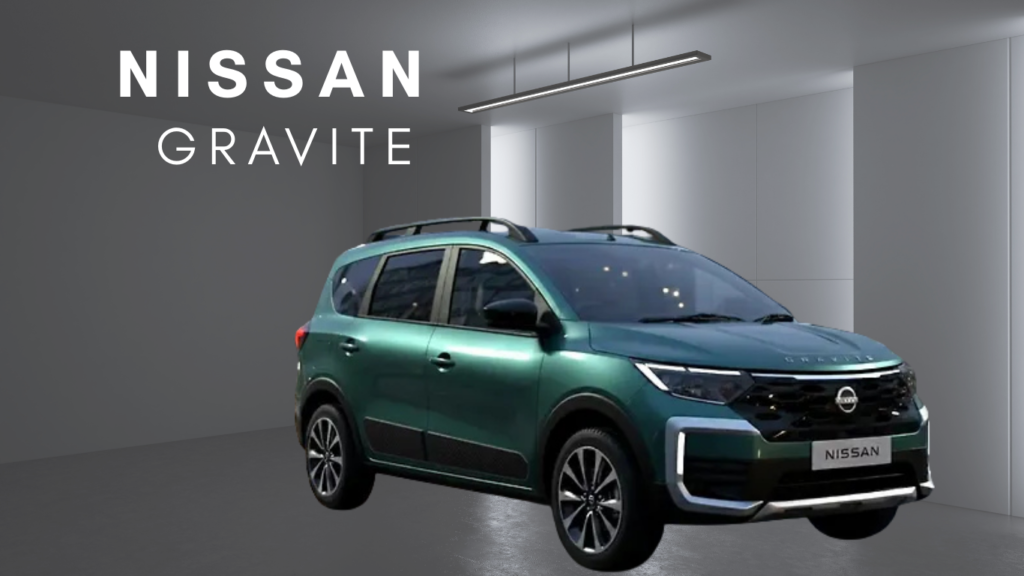
Launch Date: February 17, 2026
Overview
The Nissan Gravite is Nissan India’s strategic entry into the low-cost seven-seater MPV market. The Gravite’s CMF-A+ architecture, which it shares with the Renault Triber, combines Nissan-specific style with a badge-engineered base. In order to assure market availability, its launch was pushed from January 21 to February 17, 2026.
Pricing
The Nissan Gravite is slated to be India’s most inexpensive seven-seater, priced between ₹6.00 lakh and ₹9.00 lakh (ex-showroom). It will compete with the Renault Triber and sit below the Maruti Ertiga.
Design & Dimensions
The Gravite distinguishes itself from the Triber with Nissan’s unique design language.
• Nissan’s signature V-Motion grille
• Inverted L-shaped LED DRLs
• Split LED headlamp setup
• Sporty bumper with silver inserts and fog lamps
• Faux front skid plate
• Sub-4-meter dimensions for tax benefits
• Dual-tone alloy wheels (top variant)
• Silver roof rails
• Plastic body cladding
• Blacked-out B- and C-pillars
• Bold ‘GRAVITE’ branding on tailgate
• Part-LED tail lamps
• Black bumper with silver garnish
• Integrated rear spoiler
Interior & Features
Interior Layout:
• 5+2 seating configuration (7-seater)
• Versatile second-row seats (slide and recline)
• Removable third-row for expanded cargo space
• Practical storage spaces throughout cabin
• Multiple cup holders and charging points
Infotainment & Connectivity:
• 8-inch touchscreen infotainment system
• Wireless Apple CarPlay and Android Auto
• 7-inch semi-digital instrument cluster
• Steering-mounted controls
Comfort & Convenience:
• Push-button start/stop
• Wireless phone charging (top variant)
• Cruise control
• Cooled glove box
• Manual air conditioning with rear vents
• Ambient lighting
• Leatherette seat upholstery (top variant)
Safety Features:
• Six airbags (top variant)
• Electronic Stability Control (ESC)
• Hill Start Assist
• Tyre Pressure Monitoring System (TPMS)
• Reverse parking camera and sensors
• ISOFIX child seat anchors
• Speed-sensing auto door lock
• ABS with EBD
Boot Space:
• 84 liters (all rows up)
• 625 liters (third row folded/removed)
Engine & Performance
Engine:
1.0-liter three-cylinder naturally aspirated petrol engine
Power Output:
72 bhp
Torque:
96 Nm
Transmission Options:
• 5-speed manual transmission
• 5-speed AMT (Automated Manual Transmission)
Fuel Options:
• Petrol (standard)
• CNG (dealer-fit option expected)
Target Buyers
The Nissan Gravite is suitable for low-income families seeking occasional seven-seater flexibility for city excursions and weekend getaways. It also appeals to first-time automobile owners, increasing families, and urban households searching for a useful supplementary vehicle.
4. VOLKSWAGEN TAYRON R-LINE
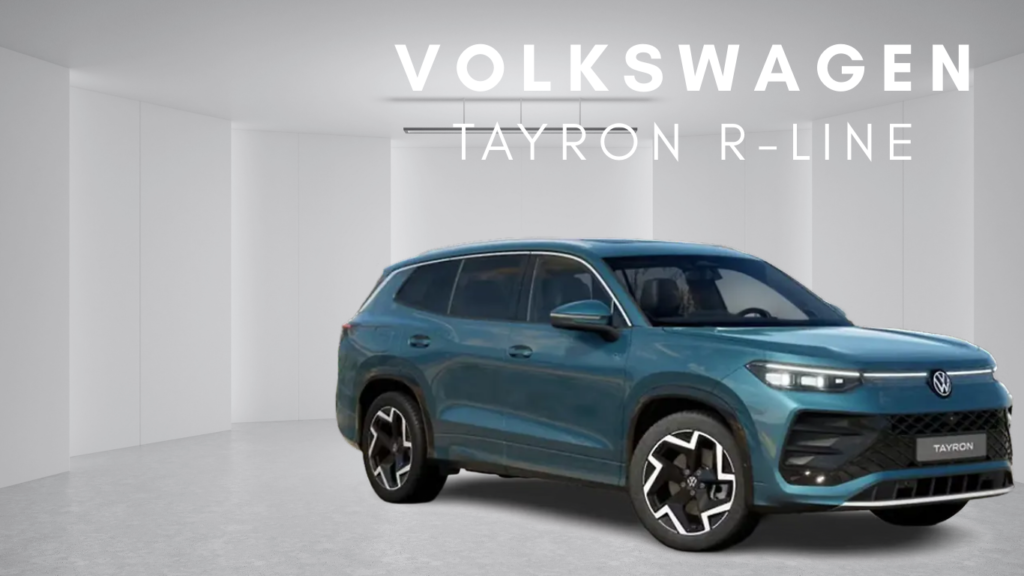
Launch Date: February 2026 (Expected)
Overview
The Volkswagen Tayron R-Line is Volkswagen’s flagship product in India’s luxury SUV segment, succeeding the discontinued Tiguan Allspace. The Tayron, built on the MQB EVO platform and with a larger 2,789 mm wheelbase, offers full seven-seat practicality with Volkswagen’s famous German engineering. Pre-bookings began on February 4, 2026, with a token amount of ₹51,000, indicating an upcoming market launch.
Pricing
The Tayron R-Line, priced between ₹48 lakh and ₹50 lakh (ex-showroom), benefits from CKD local assembly at VW’s Chhatrapati Sambhajinagar facility, making it less expensive than the CBU-spec Tiguan R-Line.
Design & Dimensions
• Twin-pod LED projector headlamps with connected light bar
• Illuminated VW logo
• Sporty R-Line body kit with aggressive bumpers
• 19-inch alloy wheels (R-Line exclusive)
• Gloss black exterior cladding with silver trim
• R-badging on front doors
• Blacked-out B-pillars
• Dual-tone ORVMs positioned on front doors
• Connected LED taillights with arrow-like elements
• Black diffuser and roof spoiler
• Flush door handles
Dimensions:
• Wheelbase: 2,789 mm (109 mm longer than the Tiguan R-Line)
• Boot Space: 850 liters (with third row folded)
Interior & Technology
Display & Infotainment:
• 15-inch touchscreen infotainment system (driver-angled)
• 10.25-inch fully digital instrument cluster
• Wireless Apple CarPlay and Android Auto
• AR-based heads-up display
• iDrive glass controller
Comfort & Luxury:
• Leather upholstered seats (premium quality)
• 12-way powered front seats with memory function
• Heated, ventilated, and massaging front seats
• Panoramic sunroof
• 30-color ambient lighting
• Three-zone automatic climate control
• Wireless charging pad
• Soft-touch dashboard materials
Audio System:
• 700W Harman Kardon premium sound system (11 speakers)
Safety & Driver Assistance:
• Level 2 ADAS suite
• Nine airbags
• 360-degree camera system
• Front and rear parking sensors
• Electronic Stability Control
• Hill Hold Assist
• Adaptive cruise control
• Lane departure warning
• Automatic emergency braking
• 5-star Euro NCAP safety rating
• Matrix LED headlamps
Engine & Performance
Engine:
2.0-liter TSI EVO turbocharged petrol engine
Power Output:
204 bhp (201 bhp as per some sources)
Torque:
320 Nm
Transmission:
7-speed DSG (Dual Clutch Transmission) automatic
Drivetrain:
4MOTION all-wheel drive system
Performance:
0-100 km/h: 7.3 seconds
Top Speed:
224 km/h
5. TATA SIERRA EV
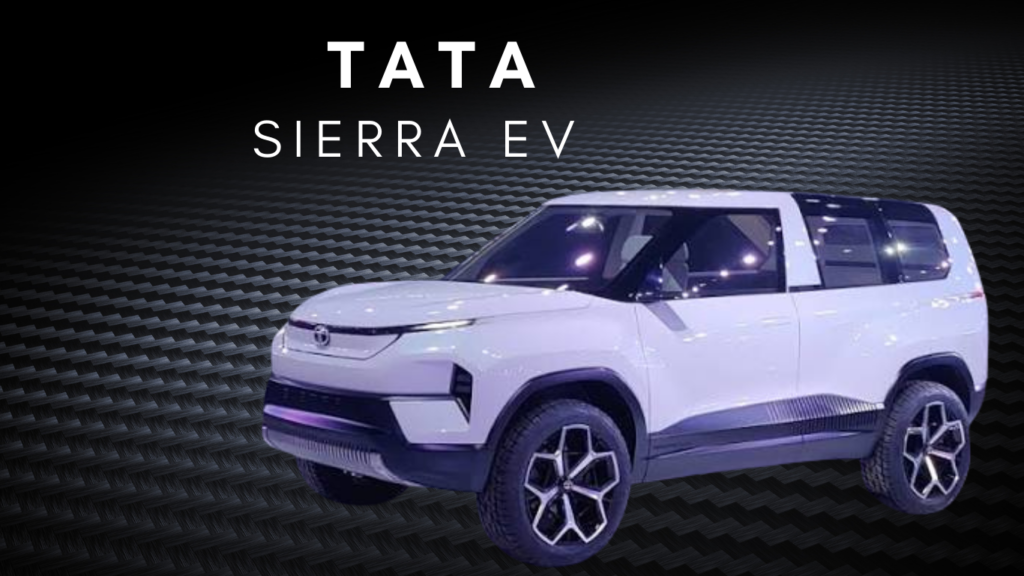
Launch Date: February 2026 (Expected)
Overview
The Tata Sierra EV is an electric rebirth of one of India’s most iconic SUV nameplates from the 1990s. It is based on Tata Motors’ sophisticated acti.ev+ platform, which is also used for the Harrier EV, and combines vintage design aspects with cutting-edge electric vehicle technology. The production-ready Sierra EV, which was introduced at Auto Expo 2020 and enhanced at Auto Expo 2023, is intended to bridge the gap between Tata’s Nexon EV and Harrier EV in their electric lineup.
Pricing
Expected price range: ₹18-25 lakh (ex-showroom). Unofficial bookings have started at select dealerships for ₹11,000. The Sierra EV will be priced between the Curvv EV (₹17.49-21.99 lakh) and the Harrier EV (₹21.49-29.48 lakh).
Design & Styling
The Sierra EV brilliantly balances legacy and contemporary.
• Upright stance and flat bonnet (tribute to original Sierra)
• Boxy proportions with smooth, modern surfaces
• Distinctive blacked-out rear window section (heritage cue)
• Connected LED light bar spanning front width
• Slim LED headlamps integrated with DRLs
• Closed-off grille (EV signature)
• Flush door handles for aerodynamics
• Full-width LED tail lamp creating wide stance
• Dual-tone roof option
• Large diamond-cut alloy wheels
• Integrated rear spoiler
• EV badging and blue accents
Interior & Features
Display Setup:
• Triple-screen dashboard setup (spans full width)
• 12.3-inch digital instrument cluster
• Central touchscreen infotainment
• Passenger-side display
• Four-spoke steering wheel with illuminated Tata logo
Comfort & Technology:
• Panoramic glass roof
• Powered and ventilated front seats
• Dual-zone automatic climate control
• Ventilated second-row seats (expected)
• Wireless phone charger
• Premium sound system
• Connected car technology (advanced telematics)
• Ambient lighting
• Power tailgate
• Minimalistic, airy cabin design
Safety Features:
• Level 2 ADAS (Advanced Driver Assistance Systems)
• Six to seven airbags
• 360-degree camera with transparent mode
• Electronic Stability Control (ESC)
• Hill Hold and Hill Descent Control
• Tyre Pressure Monitoring System (TPMS)
• ABS with EBD
• Blind-spot monitoring
• Rear cross-traffic alert
• Battery thermal management (fire prevention)
• SOS e-call for emergencies
• Over 70% high-strength steel construction
Seating Configuration:
• Two-row (5-seater) version expected at launch
• Three-row (7-seater) version possible for later variants
Electric Powertrain & Performance
Battery Options (Expected):
• 55 kWh battery pack (borrowed from Curvv EV)
• 65 kWh battery pack (borrowed from Harrier EV)
• Possible 75 kWh option for top variants
Motor Configuration:
• Single motor (RWD – Rear-Wheel Drive) for base variants
• Dual motor (AWD – All-Wheel Drive) for top variants
Power Output (Expected):
• Single Motor RWD: 167 bhp (from Curvv EV) or 238 bhp (from Harrier EV)
• Dual Motor AWD: Combined output exceeding 300 bhp
Torque:
504 Nm (for AWD variants, as confirmed for Harrier EV)
Range (Expected):
• 55 kWh: 400-450 km (ARAI)
• 65 kWh: 500-550 km (ARAI)
• 75 kWh: 600+ km (ARAI, if offered)
Charging:
• Fast charging support (DC)
• Home charging (AC)
• 10-80% charge time expected: Under 60 minutes (DC fast charging)
Performance (AWD variant):
• 0-100 km/h: Expected around 6-7 seconds
• Instant torque delivery (EV characteristic)
• Multiple drive modes: Eco, Normal, Sport, Snow
Platform & Manufacturing
Platform:
acti.ev+ platform (same as Harrier EV)
Key Platform Features:
• Multi-layer skateboard design
• Enables both RWD and AWD configurations
• Supports faster charging technology
• Optimized battery placement for low center of gravity
• Advanced driver assistance systems ready
Manufacturing:
• Tata’s Sanand plant (Gujarat)
• Same facility as Sierra ICE and Nexon/Curvv EVs
• Plant capacity being expanded for increased EV production
Target Buyers
The Tata Sierra EV is aimed at environmentally aware consumers seeking a unique electric SUV that combines heritage-inspired style with cutting-edge technology and powerful performance. It is especially appealing to early EV adopters, Sierra fans, and urban workers with home charging who want sustainability without compromising elegance or functionality.
Who Should Buy Which Car?
COMPREHENSIVE COMPARISON
| Vehicle | Starting Price | Top Price |
| Nissan Gravite | ₹6.00 lakh | ₹9.00 lakh |
| Tata Sierra EV | ₹18.00 lakh | ₹25.00 lakh |
| MG Majestor | ₹39.57 lakh | ₹46.00 lakh |
| Volkswagen Tayron R-Line | ₹48.00 lakh | ₹50.00 lakh |
| BMW X3 30 xDrive M Sport Pro | ₹75.00 lakh | ₹87.00 lakh |
Segment-Wise Analysis
• Budget Segment (Under ₹10 lakh)Winner: Nissan Gravite—Exceptional value as India’s most affordable seven-seater, ideal for budget-conscious families focused on space and practicality.
• Mid-Premium Segment (₹18-25 lakh)Winner: Tata Sierra EV—A unique blend of EV technology, iconic design, and competitive pricing, perfect for early adopters interested in sustainability despite charging infrastructure concerns.
• Premium Full-Size SUV Segment (₹40-50 lakh): Close Competition: MG Majestor vs. Volkswagen Tayron R-Line. The MG Majestor features body-on-frame ruggedness and a powerful diesel engine, suited for traditional SUV needs. The Volkswagen Tayron R-Line offers superior driving dynamics, advanced technology (AR HUD), and brand prestige, making it better for those prioritizing handling and tech over utility.
• Luxury Performance Segment (₹75+ lakh)Winner: BMW X3 30 xDrive M Sport Pro—Unmatched performance (6.3s 0-100), luxury brand status, and advanced technology for enthusiasts who prioritize driving experience.
Key Specifications Comparison
| Specification | Gravite | Sierra EV | Majestor | Tayron | X3 M Sport |
| Engine Type | 1.0L Petrol | Electric | 2.0L Diesel | 2.0L Petrol | 2.0L Petrol |
| Power | 72 bhp | 167-300+ bhp | 216 bhp | 204 bhp | 258 bhp |
| Transmission | 5MT/5AMT | Auto | 8AT | 7DSG | 8AT |
| Drivetrain | FWD | RWD/AWD | AWD | AWD | AWD |
| Seating | 7 | 5/7 | 7 | 7 | 5 |
| ADAS | No | Level 2 | Yes | Level 2 | Level 2 |
CONCLUSION
In February 2026, Indian automobile customers will have a remarkable variety of options in terms of both sectors and powertrains. This month’s offerings appeal to various budgets and consumer profiles, including the economical Nissan Gravite at ₹6 lakh and the performance-driven BMW X3 M Sport Pro at ₹87 lakh.
The variety on offer is striking, ranging from traditional diesel-powered SUVs like the MG Majestor and cutting-edge electric vehicles like the Tata Sierra EV to German-engineered premium offerings from Volkswagen and BMW, as well as value-focused, family-friendly options like the Nissan Gravite. These releases show the Indian automobile market’s continual progress toward providing internationally competitive vehicles at a wide range of prices.
Several key trends emerge from this wave of launches, including the growing momentum of electric mobility, a growing use of advanced driver assistance systems (ADAS), a greater emphasis on seven-seater practicality, and the role of local assembly in enabling more competitive pricing, as seen with models such as the Tayron R-Line and X3 M Sport Pro.
Prospective purchasers should carefully consider their specific needs—whether daily driving habits, passenger requirements, performance expectations, brand preferences, or long-term ownership costs—before making a selection. Test-driving many alternatives within one’s budget is still necessary, as on-paper specs do not necessarily match real-world experience.
Finally, February 2026 offers more than simply a fresh launch slate; it demonstrates a rising emphasis on choice, technology, and India’s optimistic future in automobile excellence.