
Why Everyone Suddenly Wants a “Personal Brand” in 2026
A few years ago, the term “personal brand” was mostly associated with celebrities, influencers, motivational speakers, or big entrepreneurs. But
A few years ago, the term “personal brand” was mostly associated with celebrities, influencers, motivational speakers, or big entrepreneurs. But in 2026, things have changed completely. Today, almost everyone wants to build a personal brand — from college students and freelancers to startup founders, corporate employees, marketers, and even software engineers.
Open LinkedIn, Instagram, or X (Twitter), and you will notice the same pattern everywhere:
- People sharing their work publicly
- Employees posting career lessons
- Founders documenting their journey
- Students building audiences before graduation
- Freelancers creating educational content
- Professionals turning themselves into online identities
The internet has shifted from “company-first” to “people-first.” Audiences now trust people more than logos, and this single change is one of the biggest reasons why personal branding is exploding globally.
In 2026, visibility has become a form of digital currency. The more visible and trusted you are online, the more opportunities naturally come toward you.
The Internet Has Changed How Success Works
Earlier, success mostly depended on:
- Degrees
- Job titles
- Corporate experience
- Offline networking
Now, the internet has created a completely different playing field.
Today, someone with:
- Good communication
- Consistent content
- Strong online presence
…can build authority faster than someone with years of traditional experience.
A person posting consistently on LinkedIn about marketing, AI, startups, finance, or technology can build a reputation that reaches thousands of people organically.
That was almost impossible a decade ago.
Layoffs Changed People’s Mindset Completely
One of the biggest reasons people suddenly care about personal branding is the massive wave of layoffs happening globally.
Over the last few years, some of the world’s biggest companies have laid off employees in huge numbers:
- Meta
- Amazon
- Microsoft
- Startups and SaaS companies
Even highly skilled professionals realized something important:
A job is no longer permanent security.
This completely changed how people think about careers.
Employees now understand:
- Skills alone are not enough
- Visibility matters
- Reputation matters
- Network matters
- Audience matters
People are starting to build personal brands because they no longer want to depend entirely on one company or one salary source.
If someone has:
- An audience
- Industry credibility
- Strong LinkedIn presence
- Professional visibility
…they can recover faster from career uncertainty.
That is why many professionals now post online regularly even while working full-time jobs.
LinkedIn Became a Goldmine for Organic Reach
One of the biggest reasons behind the personal branding boom is LinkedIn.
Earlier, LinkedIn was just a resume platform where people updated job titles occasionally.
Now it has become:
- A creator platform
- A networking platform
- A lead generation platform
- A business growth platform
People are building massive audiences organically by sharing:
- Career experiences
- AI insights
- Startup lessons
- Productivity tips
- Industry opinions
- Marketing knowledge
And the best part is:
LinkedIn still offers huge organic reach compared to many other platforms.
A single good post can:
- Reach thousands of people
- Generate clients
- Attract recruiters
- Build authority
This is why so many people suddenly started becoming “active on LinkedIn.”
In 2026, LinkedIn is no longer optional for many professionals.
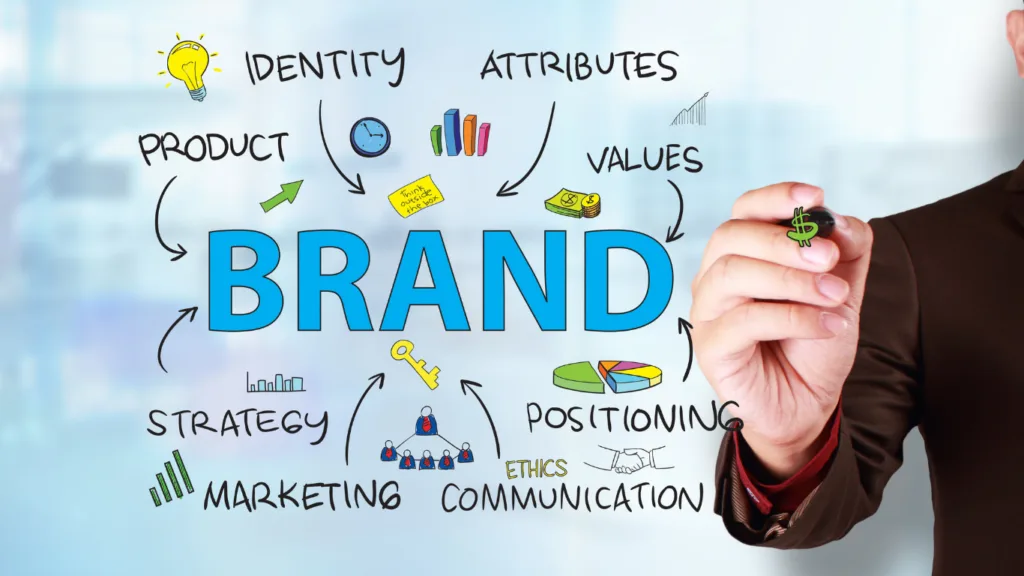
AI Is Making Personal Branding More Important
Artificial intelligence has changed the internet dramatically.
Today AI can:
- Write articles
- Create videos
- Design graphics
- Build websites
- Generate captions
- Automate workflows
This means technical execution is becoming easier for everyone.
But here’s the important part:
AI cannot easily replace:
- Human experiences
- Personal stories
- Opinions
- Personality
- Trust
This is why personal branding is becoming more valuable than ever.
People are realizing:
“If everyone has access to the same AI tools, then personality becomes the differentiator.”
That is why authentic creators, founders, and professionals stand out more.
People Trust Humans More Than Companies
One major internet trend in 2026 is that people trust individuals more than brands.
For example:
- People follow founders more than company pages
- Customers trust creators more than advertisements
- Audiences connect with stories more than polished marketing
This is why many companies now encourage employees and founders to build personal brands.
A founder sharing:
- Failures
- Learnings
- Behind-the-scenes content
- Company journey
…creates more trust than a generic corporate advertisement.
The internet today rewards authenticity.
The Creator Economy Changed Career Paths
The creator economy is now a multi-billion-dollar ecosystem.
People are making money through:
- Content creation
- Newsletters
- Consulting
- Courses
- Freelancing
- Sponsorships
- Digital products
- Communities
A strong personal brand opens doors to all of these opportunities.
Earlier, people depended on:
- One job
- One company
- One income stream
Now people want:
- Multiple income sources
- Freedom
- Flexibility
- Audience ownership
And personal branding helps create that.
Freelancers Realized Visibility Brings Clients
Freelancers used to depend heavily on:
- Fiverr
- Upwork
- Cold emails
Now many freelancers get clients directly through content.
For example:
- A designer posts case studies
- A marketer shares SEO tips
- A developer posts coding content
- A video editor shares editing tricks
This creates authority and trust before clients even contact them.
People prefer hiring someone they already know online.
That is why personal branding has become extremely important for freelancers and agencies.
Students Are Starting Earlier Than Ever
One surprising trend in 2026 is that students are building personal brands even before getting jobs.
College students now:
- Create LinkedIn content
- Build YouTube channels
- Share projects publicly
- Build portfolios online
Because they understand something very early:
Visibility creates opportunities.
A student with:
- Online presence
- Public projects
- Industry audience
…often stands out more than someone with only academic scores.
Attention Became the Most Valuable Asset
In the digital economy, attention is leverage.
If people know you:
- Opportunities increase
- Partnerships happen faster
- Networking becomes easier
- Trust builds naturally
That is why creators and professionals are investing heavily into:
- Content
- Storytelling
- Community building
A strong personal brand compounds over time.
Even old content continues bringing:
- Followers
- Traffic
- Leads
- Opportunities
Personal Branding Is No Longer Just for Influencers
Many people still think personal branding is only for influencers or creators.
But in reality, it is becoming useful for almost every profession:
- Developers
- Designers
- Lawyers
- Doctors
- Consultants
- Marketers
- Business owners
- Students
Even employees now benefit from visibility.
Recruiters often search candidates online before hiring.
Your online presence is slowly becoming your digital resume.
Why Authenticity Matters More Than Ever
One reason audiences are attracted toward personal brands is authenticity.
People are tired of:
- Corporate-style marketing
- Fake perfection
- Generic advertisements
They prefer:
- Honest experiences
- Real stories
- Transparent journeys
This is why creators who openly share:
- Mistakes
- Failures
- Lessons
…often grow faster.
Authenticity builds trust, and trust builds influence.
Personal Branding Is Becoming a Long-Term Asset
A personal brand is not just about followers.
It becomes:
- A digital reputation
- A professional identity
- A trust engine
- A long-term career asset
Someone who consistently builds visibility online for years creates compounding advantages.
Even if platforms change, reputation remains valuable.
The Future Will Reward Visibility
The future internet economy will likely reward:
- Trust
- Authority
- Community
- Consistency
As AI increases competition, people with recognizable identities may have major advantages.
In future:
- Employers may evaluate online presence before hiring
- Clients may trust creators over advertisements
- Businesses may prioritize visible experts
This is why so many people are starting now.
Conclusion
The reason everyone suddenly wants a personal brand in 2026 is simple: the world has changed.
Mass layoffs, AI disruption, social media growth, LinkedIn’s organic reach, and the creator economy have completely transformed how careers and businesses grow online.
People no longer want to depend entirely on one company or one job. They want visibility, trust, audience, and opportunities that belong to them personally.
A personal brand is no longer just an internet trend. It is becoming one of the most valuable digital assets someone can build in the modern economy.
Whether someone is a student, employee, freelancer, founder, or creator, building a personal brand today can create opportunities that may not have been possible a few years ago.
And in a world where everyone is competing for attention, being visible may become just as important as being skilled.
FAQs
1. What is a personal brand?
A personal brand is the online identity and reputation someone builds publicly.
2. Why is personal branding important in 2026?
Because visibility creates opportunities in the digital economy.
3. Is LinkedIn good for personal branding?
Yes, LinkedIn currently offers strong organic reach.
4. Why are professionals building personal brands?
Because layoffs and competition are increasing.
5. Can AI replace personal brands?
No, authenticity and human experience still matter.
6. Is personal branding useful for students?
Yes, students can build visibility early.
7. How long does personal branding take?
Usually months or years of consistency.
8. Which platform is best for personal branding?
LinkedIn, Instagram, YouTube, and X are popular.
9. Can freelancers benefit from personal branding?
Yes, it helps attract inbound clients.
10. Is personal branding worth it in 2026?
Yes, it is becoming increasingly valuable.

0 Comments