

Introduction
In 2025, wellness enthusiasts and health professionals are increasingly embracing somatic and mind-body wellness practices—a holistic approach that integrates physical awareness with emotional healing. Techniques like breathwork, cold plunge therapy, sauna, and sound bath meditation have surged in popularity as scientific evidence mounts supporting their benefits for stress relief, nervous system regulation, and overall mental and physical health.
This comprehensive guide explores these transformative practices: their science, benefits, best ways to incorporate them into your daily routine, and how they align with the latest wellness trends. Whether you are new to somatic wellness or exploring deeper mind-body techniques, read on to discover how these therapies can restore calm, vitality, and resilience in today’s hectic world.
What is Somatic Wellness?
Somatic wellness refers to practices that focus on body awareness and the mind-body connection. Rooted in trauma therapy and polyvagal theory, somatic approaches help people tune into bodily sensations to regulate emotional states and relieve chronic tension stored physically.
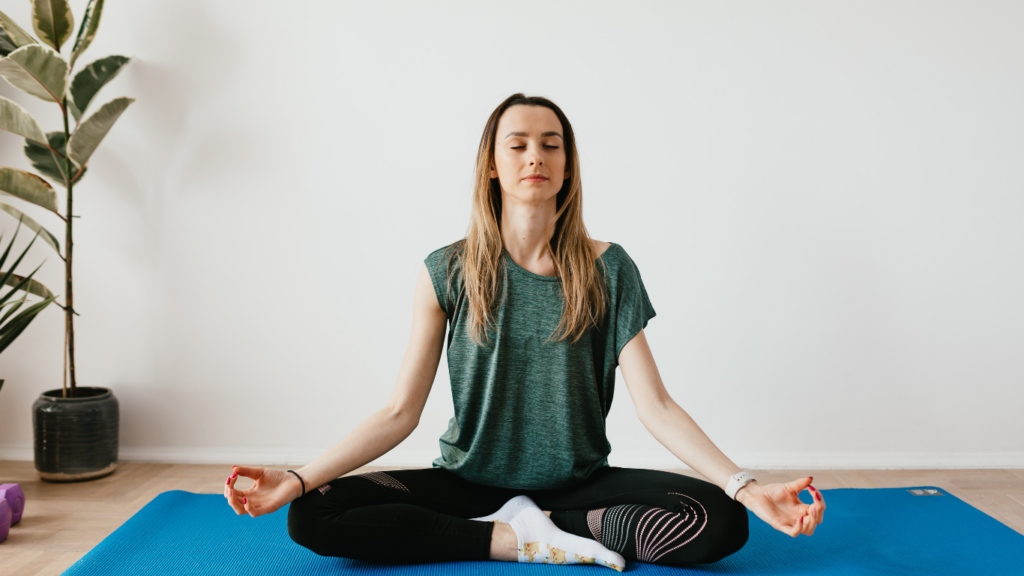
Unlike traditional talk therapy, somatic methods provide tools to work directly with the nervous system through breath, movement, touch, and sound. By activating the parasympathetic “rest and digest” state, these practices improve mental clarity, reduce anxiety, and promote holistic healing.

1. Breathwork: Harnessing the Power of the Breath
What is Breathwork?
Breathwork involves intentional control of breathing patterns to influence physiological and psychological states. Techniques range from slow, mindful breathing to fast, rhythmic cycles and breath retention exercises.
Popular Breathwork Techniques
- 4-7-8 Breathing: Inhale for 4 seconds, hold for 7, exhale for 8. Known to reduce anxiety quickly.
- Wim Hof Method: Combines deep rhythmic breaths with breath-holds and cold exposure for improved oxygenation and energy.
- Coherent Breathing: Controlled breathing at 5-6 breaths per minute enhances heart rate variability and relaxation.
Benefits of Breathwork
Scientific studies show breathwork reduces cortisol levels by 25%, boosts parasympathetic nervous system activity, improves sleep quality, and helps regulate emotions. Daily breathwork sessions (5-10 minutes) promote resilience against stress and improve focus.
2. Cold Plunge Therapy: The Science of Cold Exposure
What is Cold Plunge Therapy?
Cold plunge therapy or cold water immersion involves submerging the body in 50-59°F water for short periods, triggering physiological stress adaptations.
Physiological Effects
Cold exposure triggers norepinephrine release, increasing dopamine levels by up to 2500%, reducing inflammation, and activating brown fat for metabolic benefits.
Health Benefits
- Improves mood and reduces symptoms of depression.
- Eases muscle soreness post-exercise by up to 20%.
- Strengthens the immune system by increasing white blood cell production.
How to Practice Cold Therapy
Start with shorter cold showers, progressing to 2–5 minutes in cold plunges or ice baths. Pairing with Wim Hof breathwork enhances resilience and comfort.
3. Sauna Therapy: Relaxation through Heat
Sauna Basics
Saunas use dry or infrared heat between 160-200°F for 15-30 minutes, inducing hyperthermia that mimics moderate exercise.
Physiological and Mental Effects
Heart rates rise, circulation improves, and heat shock proteins promote cellular repair. Regular sauna use has been linked to a 50% reduction in cardiovascular mortality and better sleep.
Mind-Body Benefits
Heat exposure initiates parasympathetic activation, reducing stress hormones and enhancing relaxation. It also promotes mindfulness when combined with breath awareness.
Contrast Therapy with Cold Plunge
Alternating sauna and cold plunge (“contrast therapy”) multiplies circulation and endorphin release benefits.
4. Sound Bath Meditation: Healing with Vibrations
What is a Sound Bath?
Participants immerse in harmonic vibrations from gongs, crystal bowls, and chimes to foster deep states of meditation.
How Sound Baths Work
Sound waves entrain brain waves to alpha/theta frequencies, associated with relaxation and creativity. Sessions typically last 60-90 minutes.
Benefits of Sound Bath Meditation
- Reduces anxiety in ~80% of participants.
- Lowers chronic pain perception by 20-30%.
- Improves sleep and emotional regulation.
Integrating Somatic Practices for Wellness
Sample Daily Routine
- Morning: 5 minutes of 4-7-8 breathing to start calm.
- Midday: Brief cold shower or cold plunge immersion with Wim Hof breathwork.
- Evening: Sauna session or sound bath meditation to wind down.
Advanced Protocols
Contrast therapy (sauna + cold plunge) with mindful breathing extends benefits, especially for cardiovascular health and nervous system reset.
2025 Wellness Trends
- Growth of home-based somatic wellness kits including portable saunas and cold plunge tubs.
- Increased corporate adoption of breathwork and cold exposure for employee wellness.
- Clinical application of somatic therapy for PTSD, anxiety, and trauma recovery expanding.
Conclusion
Somatic and mind-body wellness practices like breathwork, cold plunge therapy, sauna, and sound bath meditation offer a scientifically supported, deeply restorative path for managing the mind-body connection in 2025. These accessible tools reduce stress, improve emotional regulation, and promote body resilience, helping modern individuals navigate stress with grace and health.
By embracing these methods, you can begin a transformative wellness journey today—starting with a few conscious breaths or a brief cold shower—that fosters balance, mental clarity, and physical vitality for years to come.