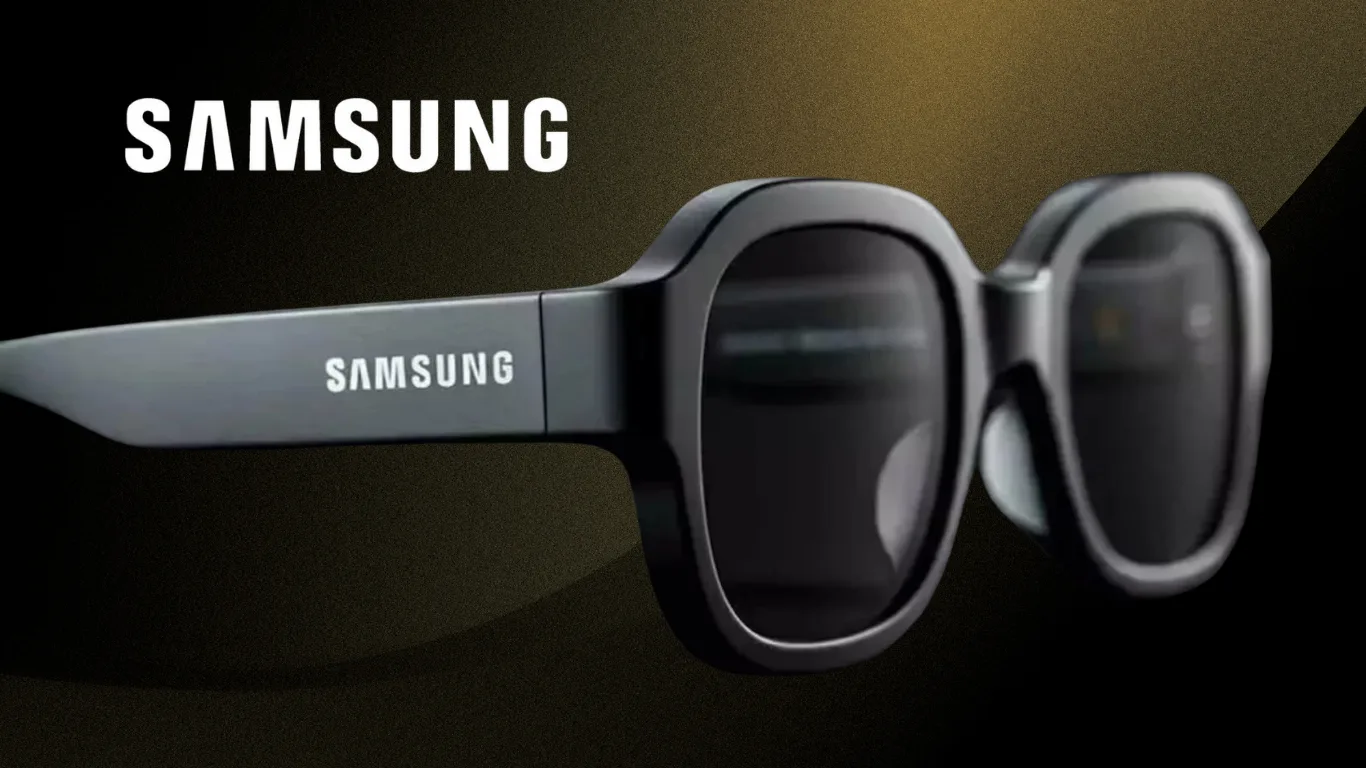
Samsung-branded smart glasses displayed against a dark gradient background

Samsung Galaxy Glasses 2026: Price, Features, Specs & Should You Buy?

On July 22, 2026, Samsung walked onto the stage at Old Billingsgate in London — and changed the wearable technology conversation forever. Alongside the Galaxy Z Fold 8, Z Flip 8, and Watch 9, Samsung unveiled what it calls “Intelligent Eyewear” — its first-ever smart glasses, built in collaboration with eyewear giants Warby Parker and Gentle Monster, powered by Google’s Android XR operating system, and featuring Gemini AI as the built-in assistant.

This is not Samsung dabbling in wearables. This is a full-scale assault on a category that Meta has dominated with a 69.2% market share in the screenless smart glasses segment as of Q1 2026. Samsung is coming in with the world’s largest smartphone ecosystem, Google’s AI platform, and design partnerships that give the Galaxy Glasses a fashion credibility no tech company has managed to build with eyewear before. The question every potential buyer is asking: are Samsung Galaxy Glasses worth buying — and what will they cost in India?

We have already covered the full context of the Samsung Galaxy Unpacked July 22 event and the Galaxy Z Fold 8 and Z Flip 8 in detail. Now let’s focus on the most futuristic product Samsung has ever launched.

Table of Contents

Samsung Galaxy Glasses — Quick Snapshot

FeatureDetail
Official NameSamsung Intelligent Eyewear (Galaxy Glasses)
AnnouncedJuly 22, 2026 — Galaxy Unpacked, London
CodenameJinju (Gen 1 model)
OSAndroid XR (One UI XR)
AI AssistantGoogle Gemini (built-in)
Camera12MP camera (front-facing)
ChipsetQualcomm Snapdragon AR1
AudioOpen-ear directional speakers + microphones
DisplayNone — Gen 1 is audio + camera only
Battery~9 hours (estimated)
Design PartnersWarby Parker, Gentle Monster
Weight~50g
Price$379 – $499 (India price TBC)
AvailabilityFall 2026 in select markets
Gen 2 (with display)2027 — codename Haean

What Are Samsung Galaxy Glasses?

The Samsung Galaxy Glasses are the company’s first intelligent eyewear product — a pair of smart glasses that look like regular sunglasses or prescription frames, but pack a 12MP camera, open-ear audio speakers, microphones, and Google Gemini AI inside a frame weighing approximately 50 grams. You wear them. You talk to them. They see what you see, hear what you hear, and intelligently respond through Gemini — all without ever needing to pull your phone from your pocket.

This generation of Galaxy Glasses (codename Jinju, model number SM-O200J) is deliberately positioned as a “Gen 1” product — no AR display, no visual overlays on the real world. What it does instead is use a built-in camera to understand your environment and feed that context to Gemini, which then responds through the open-ear speakers. Think of it as a wearable AI assistant that can actually see the world around you — not just hear your voice commands.

A premium version with a micro-LED display enabling true AR overlays — codenamed Haean — is in development and targeted for 2027, priced between $600 and $900. The Jinju model launching in fall 2026 is Samsung’s way of establishing the ecosystem, building developer momentum on Android XR, and getting hardware into consumers’ hands before the full AR experience is ready.

Samsung Galaxy Glasses — Key Features Explained

1. Gemini AI — Your Eyes Are Now Its Input

The most transformative capability of the Galaxy Glasses is not the camera — it is what the AI does with what the camera sees. Pointed at a whiteboard or presentation, the camera can read the content on screen and distil it into organised notes. This happens in real time, without you typing, without you taking a photo and uploading it, and without you ever interrupting a meeting. You are sitting in a client presentation, your glasses read the slides, and Gemini gives you a structured summary in your ear.

The AI capabilities extend well beyond note-taking. The glasses can also summarise incoming messages, provide real-time navigation guidance, and support live translation. Samsung demonstrated all four of these at Unpacked, with live translation between two speakers in different languages being the most visually striking moment of the glasses segment of the keynote.

2. Android XR — A Purpose-Built OS for Wearables

The Galaxy Glasses run Android XR — Google’s extended reality operating system developed specifically for wearable and immersive computing. The software branding inside the glasses is One UI XR — Samsung’s custom layer on top of Android XR, similar to how One UI sits on top of standard Android on Samsung phones. This is not a repurposed Wear OS or a cut-down Android. It is a ground-up operating system built for the interaction model of always-on wearable AI.

Android XR handles the core interactions — gesture controls, voice commands, app management — while Gemini powers the intelligence layer. The combination means the glasses benefit from every Google AI improvement that rolls out to Gemini, without requiring a hardware update. Your glasses genuinely get smarter over time through software.

3. Galaxy Ring Gesture Control

One of the most interesting ecosystem features buried in the Galaxy Glasses Manager app is Galaxy Ring gesture control — the ability to control the glasses using gestures from Samsung’s Galaxy Ring wearable, without needing to tap the frame. This creates a genuinely seamless hands-free experience when both devices are paired together. It also signals Samsung’s broader ambition: the Galaxy Glasses are not a standalone product. They are a node in a growing Samsung ecosystem that includes the phone, watch, ring, and now glasses — all communicating with each other intelligently.

4. 12MP Camera — Discreet but Capable

The 12MP camera sits unobtrusively within the temple of the glasses — aligned with what you are looking at, capturing first-person content at a resolution that produces clear, usable images and video. You can capture what you are seeing — a recipe at a restaurant, a product in a store, street signs abroad, a person’s business card — and Gemini processes it instantly. A recording indicator light (LED) signals to people around you when the camera is active, addressing one of the core privacy concerns about camera-equipped wearables.

5. Open-Ear Directional Speakers

The audio system uses open-ear directional speakers built into the temples — an approach that delivers audio to your ears without blocking ambient sound the way earbuds do. You can hold a full conversation with Gemini, listen to navigation directions, or take calls while remaining fully aware of your surroundings. The audio system is the same fundamental approach Meta uses on Ray-Ban Meta glasses, refined with Samsung’s audio engineering.

6. Warby Parker and Gentle Monster Design

This is the feature that no camera spec sheet can capture — the Galaxy Glasses genuinely look like glasses. Warby Parker (US market) and Gentle Monster (global, particularly strong in Korea and Asia) are both seriously respected eyewear brands with loyal fashion followings. Their involvement means the Galaxy Glasses frames are designed with the same aesthetic consideration as their regular eyewear lines — not as consumer electronics products awkwardly shaped into a glasses form factor. This is Samsung’s most direct competitive advantage over Meta’s Ray-Ban collaboration, which has improved but is still clearly a tech product wearing fashion clothes rather than the other way around.

7. Processing — Tethered to Your Samsung Phone

Unlike a standalone computer, the Galaxy Glasses offload all heavy AI processing to a paired Samsung Galaxy phone. The glasses themselves carry a Qualcomm Snapdragon AR1 chip for local audio and camera management, but Gemini’s complex reasoning, language processing, and real-time translation all happen on the paired phone (or in the cloud via the phone’s connection). This is a deliberate design decision — it keeps the glasses light, the battery lasting approximately 9 hours, and the price accessible. The trade-off is dependency on your phone being nearby and connected.

Samsung Galaxy Glasses vs Ray-Ban Meta — How Do They Compare?

Meta currently holds 69.2% of the screenless smart glasses market (IDC, Q1 2026). The Ray-Ban Meta glasses are the clear category leader — comfortable, fashionable, and genuinely useful for music and calls. Samsung is entering this market with a direct competitive response. Here’s how they stack up:

FeatureSamsung Galaxy GlassesRay-Ban Meta Smart Glasses
AI AssistantGoogle Gemini (multimodal, sees + hears)Meta AI (primarily voice-based)
Camera12MP12MP
OSAndroid XR (One UI XR)Meta proprietary
DisplayNone (Gen 1)None (standard model)
Design PartnersWarby Parker, Gentle MonsterRay-Ban (EssilorLuxottica)
AudioOpen-ear directional speakersOpen-ear speakers
Weight~50g~49g
Battery~9 hours~4 hours (with camera), ~8h audio-only
EcosystemSamsung Galaxy (phone, watch, ring)Meta (Facebook, Instagram, WhatsApp)
Price$379 – $499$299 (standard model)
Live Translation✅ Yes (Gemini-powered)Limited
Note-taking from visuals✅ Yes (camera + Gemini)❌ No
AvailabilityFall 2026 (select markets)Available now

The Galaxy Glasses’ key advantages over Ray-Ban Meta are Gemini’s visual intelligence (reading content from the camera is something Meta AI cannot match at the same level), the longer battery life, and the Samsung ecosystem integration. Ray-Ban Meta’s key advantage is simply that it is available now and cheaper — at $299 versus Samsung’s $379–$499 range.

Samsung Galaxy Glasses Price and India Availability

Samsung has confirmed a fall 2026 retail launch in select markets for the Galaxy Glasses. No specific launch countries or exact ship date have been announced beyond this. Samsung COO Choi stated at Unpacked that the glasses would be sold through the eyewear partners’ own sales channels — meaning Warby Parker and Gentle Monster stores will be key retail points globally, alongside Samsung’s own online and retail channels.

ModelUS Price (Leaked)India Expected Price
Galaxy Glasses Gen 1 (Jinju) — Base$379~₹35,000 – ₹40,000
Galaxy Glasses Gen 1 (Jinju) — Premium$499~₹45,000 – ₹50,000
Galaxy Glasses Gen 2 (Haean) — 2027$600 – $900~₹60,000 – ₹85,000 (2027)

India availability for the Gen 1 Galaxy Glasses in fall 2026 is not confirmed — Samsung’s “select markets” language typically means the US, South Korea, and key European markets arrive first, with India following 3–6 months later. Indian buyers should plan for a potential Q1 2027 India launch for the Galaxy Glasses, though Samsung’s aggressive India push in recent years makes an earlier arrival possible.

🔗 Explore Samsung Galaxy Glasses officially: samsung.com/global/galaxy/galaxy-glasses

Should You Buy Samsung Galaxy Glasses? Honest Verdict

Buy the Galaxy Glasses if:

  • You are already in the Samsung ecosystem — Galaxy phone, Galaxy Watch, Galaxy Ring. The integrated experience is genuinely compelling and gets better the more Samsung devices you use together.
  • You travel internationally or work with multilingual clients. Real-time translation through the glasses is a genuinely transformative feature for anyone navigating language barriers regularly.
  • You are in meetings, presentations, or lecture-heavy environments. The camera-to-Gemini note-taking pipeline is a legitimate productivity upgrade that competitors cannot match.
  • Design matters to you. The Warby Parker and Gentle Monster collaborations produce frames that are genuinely wearable as everyday eyewear — not just gadget-shaped glasses.

Wait or Skip if:

  • You primarily use an iPhone. The Galaxy Glasses are built around the Samsung Galaxy and Android XR ecosystem. The experience on iOS will be significantly more limited.
  • You want AR overlays and visual information in your field of view. This generation does none of that — no display, no visual HUD. Wait for the Gen 2 Haean model in 2027 if visual AR is why you want smart glasses.
  • You are in India and need the device now. India availability for fall 2026 is not confirmed. The realistic timeline for Indian buyers is likely Q1 2027.
  • Your budget is tight. At ₹35,000–₹50,000, the Galaxy Glasses cost more than several solid mid-range smartphones. For that money, the Ray-Ban Meta at approximately ₹25,000 is available now and well-reviewed.

The Bigger Picture: Why Samsung Galaxy Glasses Matter Beyond the Specs

The Galaxy Glasses reveal at Unpacked is not just a product launch — it is a platform shift. Samsung and Google have spent three years building Android XR together, and the Galaxy Glasses are the first consumer hardware that makes that platform real outside a developer lab. As our coverage of the top robotics and AI trends in 2026 explored, the theme running through all of 2026’s biggest technology moments is AI moving out of the screen and into the physical world. Samsung Galaxy Glasses are the most visible and accessible expression of that shift available in 2026.

Apple’s competing smart glasses — internally codenamed N50 — have slipped from a late 2026 introduction to a confirmed late 2027 launch, according to Bloomberg’s Mark Gurman. This gives Samsung and Google a 12-month head start in establishing the Android XR ecosystem, building developer momentum, and capturing the early-adopter market that will define consumer expectations before Apple enters the category. Given what we know about how Apple’s entry into any category reshapes it — from smartwatches (Apple Watch) to wireless earbuds (AirPods) to tablets (iPad) — Samsung’s urgency to establish Galaxy Glasses before Apple N50 arrives is entirely rational. To understand how this fits into the broader AI revolution shaping 2026, our piece on how AI tools are transforming how we work and interact offers useful context.

Frequently Asked Questions

Q1. What are Samsung Galaxy Glasses?

Samsung Galaxy Glasses are Samsung’s first intelligent eyewear product — smart glasses featuring a 12MP camera, open-ear audio, Google Gemini AI, and Android XR operating system. They were officially detailed at Samsung Galaxy Unpacked on July 22, 2026 in London, with retail availability confirmed for fall 2026.

Q2. What is the price of Samsung Galaxy Glasses?

Samsung has not officially confirmed final pricing. Leaked pricing places the Gen 1 Galaxy Glasses (codename Jinju) between $379 and $499 in the US, translating to approximately ₹35,000–₹50,000 in India once import duties and taxes are factored in.

Q3. When will Samsung Galaxy Glasses be available in India?

Samsung confirmed a fall 2026 launch in select markets for Galaxy Glasses. India is not on the confirmed list for the initial launch. Indian buyers should realistically plan for a Q1 2027 India availability, though an earlier launch is possible given Samsung’s aggressive India market push in recent years.

Q4. Do Samsung Galaxy Glasses have a display?

No — the Gen 1 Galaxy Glasses (Jinju model launching in fall 2026) have no display. There are no AR overlays or visual information in your field of view. This is a deliberate design decision for the first generation. A display-equipped premium model (codename Haean) with micro-LED AR is in development and targeted for 2027.

Q5. What AI assistant do Samsung Galaxy Glasses use?

Samsung Galaxy Glasses use Google Gemini as the built-in AI assistant. Gemini processes visual input from the glasses’ 12MP camera, responds through the open-ear speakers, and handles note-taking, translation, navigation, and message summarisation.

Q6. What is Android XR?

Android XR is Google’s extended reality operating system built specifically for wearable and immersive computing devices. It is co-developed by Google and Samsung as the platform for Galaxy Glasses and future XR devices. Samsung’s custom layer on top of Android XR is called One UI XR.

Q7. How are Samsung Galaxy Glasses different from Ray-Ban Meta?

The key differences are: Galaxy Glasses use Google Gemini AI with multimodal visual intelligence (can read whiteboards, translate in real time, take notes from what you see), while Ray-Ban Meta’s AI is primarily voice-based. Galaxy Glasses also have deeper Samsung ecosystem integration. Ray-Ban Meta costs less ($299 vs $379–$499) and is available now, while Galaxy Glasses launch in fall 2026.

Q8. What is the battery life of Samsung Galaxy Glasses?

Samsung has not officially confirmed battery life. Based on leaked specifications and the Snapdragon AR1 chip architecture, the Galaxy Glasses are estimated to deliver approximately 9 hours of battery life — longer than Ray-Ban Meta’s camera-active runtime of approximately 4 hours.

Q9. Can Samsung Galaxy Glasses take photos and videos?

Yes. The Galaxy Glasses feature a 12MP camera that can capture photos and videos from your first-person perspective. A recording indicator LED signals to others when the camera is active — Samsung’s approach to the privacy concerns that come with camera-equipped wearables.

Q10. Who designed Samsung Galaxy Glasses?

Samsung Galaxy Glasses are designed in collaboration with two premium eyewear brands: Warby Parker (targeting the US market) and Gentle Monster (targeting global markets, particularly strong in Asia). Both brands are known for fashionable, design-forward eyewear — which gives the Galaxy Glasses fashion credibility that purely tech-designed smart glasses have historically struggled to achieve.

Q11. Do Samsung Galaxy Glasses work with iPhone?

No. Samsung Galaxy Glasses are built on Android XR and are designed to pair with Samsung Galaxy smartphones running Android. The experience on iPhone will be significantly limited and is not supported by Samsung’s official setup flow.

Q12. What is the Galaxy Glasses codename Jinju?

Jinju is Samsung’s internal codename for the Gen 1 Galaxy Glasses (model SM-O200J) — the display-free version launching in fall 2026. The Gen 2 model with micro-LED AR display is codenamed Haean and is targeted for 2027.

Q13. Can Galaxy Ring control Samsung Galaxy Glasses?

Yes. Samsung has confirmed through code strings found in the Galaxy Glasses Manager app that the Galaxy Ring can be used to control the Galaxy Glasses through gestures — without needing to tap the glasses frame. This creates a genuinely hands-free experience when both devices are paired together.

Q14. Is Samsung Galaxy Glasses better than Apple Vision Pro?

These are different products for different purposes. Apple Vision Pro is a spatial computing headset with a full micro-OLED display — immersive but bulky. Samsung Galaxy Glasses are lightweight everyday eyewear with no display. They are not directly competitive — the Galaxy Glasses compete with Ray-Ban Meta, not Vision Pro. Apple’s competing smart glasses (N50) are expected in late 2027.

Q15. Where can I find more information about Samsung Galaxy Glasses?

Visit Samsung’s official Galaxy Glasses page at samsung.com/global/galaxy/galaxy-glasses for the most current official information on pricing, availability, and features.

Final Verdict

The Samsung Galaxy Glasses are the most exciting wearable technology launch since the original Apple Watch — and for exactly the same reason: a major platform company, backed by a deep ecosystem, has entered a nascent category with the intent to define it rather than participate in it. The Gemini-powered visual intelligence is genuinely ahead of anything Ray-Ban Meta offers. The Warby Parker and Gentle Monster design collaborations give the glasses authentic fashion credibility. And the Android XR platform gives the product a software foundation that will improve continuously without hardware changes.

The caveats are real though. No display in Gen 1 means no AR — the full science fiction experience is a 2027 story with the Haean model. India availability in fall 2026 is not confirmed. And at ₹35,000–₹50,000 for a wearable that depends entirely on your Samsung phone to function, the Galaxy Glasses are a premium bet on a category that is still finding its mainstream footing.

For early adopters deeply embedded in the Samsung Galaxy ecosystem — especially frequent travellers, professionals in meeting-heavy roles, and anyone who has wanted a truly wearable AI — the Galaxy Glasses are worth every rupee when they arrive in India. For everyone else, wait for Gen 2, wait for the India launch, or wait for Apple to enter and force the category to mature faster than any single company’s roadmap will.

Are you considering Samsung Galaxy Glasses? Tell us in the comments what feature excites you most — or what would make you wait for Gen 2.

*All prices are based on leaked pre-launch data and are not official Samsung pricing. Availability dates are based on Samsung’s confirmed “fall 2026 select markets” statement. Always verify the latest pricing and availability at samsung.com before making a purchase decision.

Leave a Comment

Your email address will not be published. Required fields are marked *

Scroll to Top